
How Smart Unit Motion Detection Protects Your Assets
There's a specific kind of discomfort that comes with storing something you care about. You lock up, drive away, and then spend the next however-many months trusting that nothing unexpected is happening inside that unit. A padlock at the door and cameras in the hallway are reassuring, but they don't tell you what's happening inside your specific space.
Smart unit motion detection changes that equation. This technology places a sensor inside the unit itself, monitors it continuously, and sends you a direct alert if unexpected movement is detected, typically within seconds. No checking in. No worrying in the background. Just a notification if something is wrong, and silence when everything is fine.
Here's how the technology works, what it actually detects, and why it's worth knowing about before you sign your next rental agreement.
What Is Smart Unit Motion Detection?
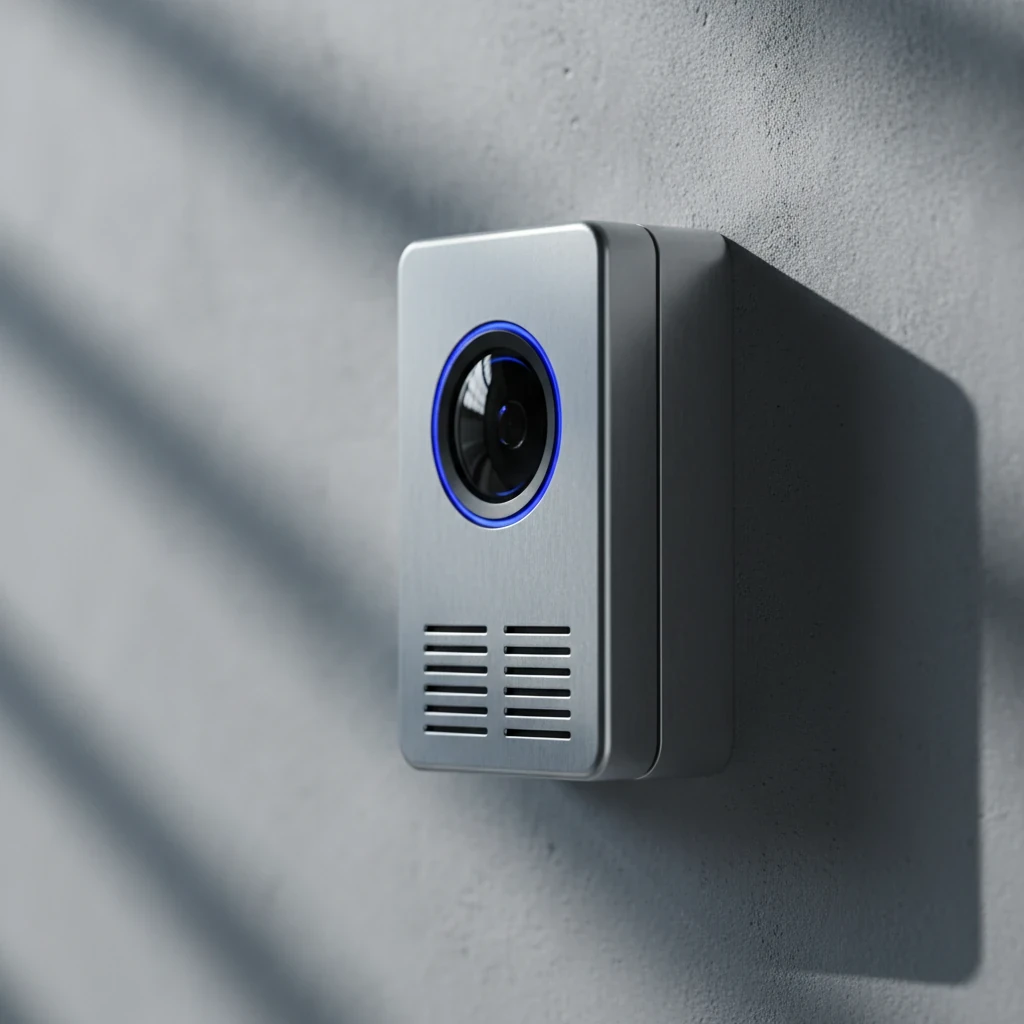
Smart storage unit motion detection is exactly what it sounds like: a motion sensor installed inside your individual unit, connected to the facility's security network and to your phone. It continuously monitors your unit and triggers an alert when it detects movement that shouldn't occur.
The key distinction is where the monitoring happens. Perimeter cameras and gate systems protect the facility as a whole. Smart unit sensors protect the inside of your unit, covering the space where your belongings are stored and the blind spots traditional security misses.
Most systems use passive infrared (PIR) or thermal motion detection, the same underlying technology used in commercial security systems and modern smart home devices. These sensors don't record video or take photographs. They detect heat-signature changes consistent with human presence inside an enclosed space, which is exactly what matters when someone who shouldn't be is in your unit.
How the Alert System Works
The value of smart unit monitoring comes from what happens after the sensor is triggered. Modern systems don't just log an event. Instead, they move through a response chain in near real time.
- Detection: The in-unit sensor detects unexpected heat or motion inside the storage unit.
- System log: The event is recorded on the facility's integrated security dashboard with a timestamp and unit identifier.
- Tenant alert: A text message is sent directly to the renter's phone, typically within 30 to 60 seconds of detection.
- Staff notification: The facility's management or a monitoring service is notified simultaneously.
- Response: Staff can assess the alert and, if necessary, contact the tenant or respond on-site.
Because the motion detection system is integrated with the facility's access control logs, it knows when you or another authorized person entered through the gate. If movement is detected inside a unit without a preceding valid access entry, the system treats it as unexpected and sends the alert. That integration between the motion sensor and access records is what makes the technology useful rather than noisy.
What the System Detects and What It Ignores
A reasonable question is whether smart sensors create a constant stream of false alarms. The short answer is no, and it's worth understanding why.
Your own access doesn't trigger alerts.
When you enter the facility with your personal access code and open your unit, the system recognizes you're authorized. Your access is logged, the motion is expected, and you won't receive a notification for your own visits.
Unauthorized access does trigger alerts.
Any motion inside the unit that isn't preceded by a valid entry record is flagged. This covers scenarios such as someone bypassing the gate, accessing through an adjacent unit, or entering during a gap in standard monitoring. The alert is sent while the situation is potentially still unfolding, not days later when you happen to visit.
Background noise doesn't trigger alerts.
Thermal and PIR sensors are calibrated to respond to the heat signature of a human body in motion, not temperature shifts from an HVAC system running or minor vibrations from activity in neighboring units. Modern implementations have minimized false positives to the point that most renters report the system is genuinely unobtrusive in normal use.
The Benefits That Actually Matter
Remote storage unit monitoring addresses more than the worst-case scenario. Here's what renters consistently find valuable about smart unit self-storage security technology:
Visibility when you can't be there.
If you're renting long-term, traveling frequently, or in the middle of a move that has you stretched across two cities, the ability to be notified the moment something unexpected happens removes a persistent background worry. You don't have to drive by to check. The system is watching when you aren't.
Response time is measured in minutes, not days.
Traditional surveillance cameras are investigative tools, valuable after the fact but less useful during an active incident. Smart unit alerts allow for a real-time response. If an alert arrives at 11 p.m. and facility staff is notified simultaneously, the window for intervention is still open. That time difference is meaningful.
Deterrence before anything happens.
Security that tenants know about works before an incident occurs. When a facility communicates that individual units have active motion detection, it changes the risk calculation for anyone considering unauthorized access. The deterrence effect is part of the value. Most of the time, nothing happens, partly because the system is there.
Documentation in your account.
Access logs, motion event timestamps, and alert records are stored in the tenant's account history. That data is useful for insurance claims, business inventory audits, or simply as a record that your belongings have been undisturbed. It is yours, not buried in a facility's CCTV archive that you would have to request access to.
Smart Detection as Part of a Layered Security Approach
Smart unit motion detection is most effective as one element of a broader security system, not as a replacement for other measures. A well-secured self-storage facility uses multiple independent layers:
- Layer 1 – Perimeter
Fencing, gated access with personal codes, and external cameras at entry and exit points. - Layer 2 – Facility
Interior hallway cameras, lighting in aisles and loading areas, and on-site management presence. - Layer 3 – Unit Level
Smart motion detection inside the individual unit, with real-time alerts to the tenant and facility staff.
Most self-storage facilities have Layers 1 and 2. The third layer is active individual-unit surveillance, adding a capability previously unavailable outside commercial-grade security installations. The value of the layered approach is cumulative: any single layer can be defeated or bypassed, but defeating all three simultaneously is considerably harder.
Who Gets the Most Out of Smart Storage Technology
Smart unit detection is available to any renter at a facility that offers it. But the tenants who find it most valuable tend to share a few characteristics:
- Business owners storing inventory, equipment, or documents. Unauthorized access to a business unit can mean disrupted operations, liability, or a gap in inventory records. The real-time alert matters when the response window is still open.
- Collectors and enthusiasts. Instruments, vintage electronics, vinyl records, collectibles, and art are often the items people care most about replacing, and they belong in climate-controlled storage with active monitoring. The combination offers protection from both heat damage and unauthorized access.
- Long-term renters who visit infrequently. Someone renting a 10×10 as overflow storage for their home may not visit for weeks or months at a time. The comfort of knowing you'd be notified immediately if something changed is worth something concrete, not just abstractly.
- Renters during major transitions. Moving, renovating, or temporarily downsizing creates gaps because there is simply too much going on to make regular check-ins realistic. Smart monitoring fills that gap without requiring anything from you.
Smart Storage Units at Premium Spaces
Smart units are available alongside climate-controlled options at these locations, which means renters storing heat-sensitive items like electronics, furniture, and documents can combine temperature stability with individual-unit surveillance under one rental agreement.
All rentals at Premium Spaces are month-to-month, so you're not committing to a long-term lease to access smart storage technology.
Ready to find a smart storage unit in Texas? Browse Premium Spaces locations and check smart unit availability near you.